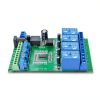

Description
Product Overview
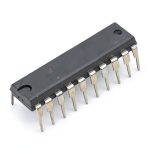
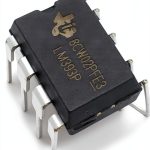
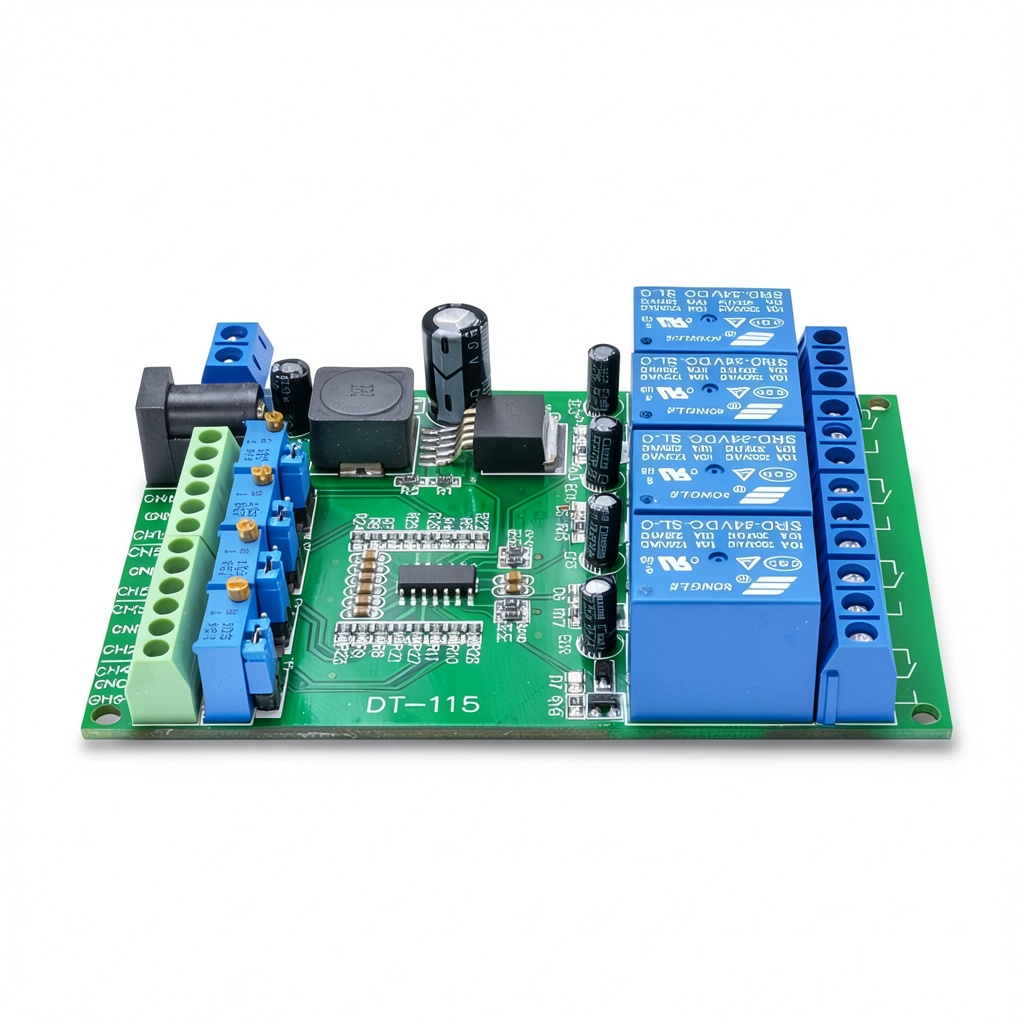
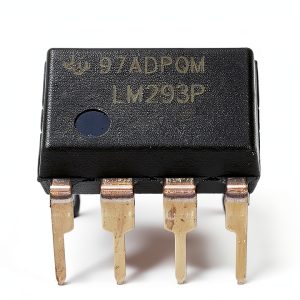
The Generic LM393 Comparator Module is engineered to deliver precise voltage comparison across four independent channels while operating from a stable 24 V DC supply. At its core lies the classic LM393 dual‑comparator integrated circuit, renowned for low offset voltage and high open‑collector output capability. Each channel is isolated with its own input pins, allowing simultaneous monitoring of multiple signal lines without cross‑talk. The module’s compact footprint measures 45 mm × 30 mm, making it suitable for dense PCB layouts or panel‑mount installations. Robust through‑hole solder pads and a reinforced plastic housing protect the circuitry from vibration and dust, ensuring reliable performance in harsh industrial environments. The design incorporates a low‑power consumption architecture, drawing less than 10 mA at full load, which helps to reduce overall system power budgets. Thermal management is achieved through the module’s aluminum heat‑sink pads that dissipate heat efficiently, allowing continuous operation even under high‑current conditions. Additionally, the module complies with IEC 60950 safety standards, providing assurance of electrical safety and electromagnetic compatibility for a wide range of applications.
Each comparator channel accepts input voltages from 0 V up to 30 V, providing ample headroom beyond the 24 V supply voltage for transient spikes. The LM393’s open‑collector outputs are pulled up to a selectable voltage between 5 V and 24 V, enabling direct interfacing with TTL, CMOS, or industrial logic levels. Input bias currents are limited to 25 nA, minimizing loading effects on sensitive sensor circuits. The module includes built‑in pull‑up resistors and optional external resistor networks for fine‑tuning hysteresis, which improves noise immunity in noisy environments. Output response time is under 1 µs, ensuring rapid detection of voltage changes for real‑time control loops. The module’s power pins are protected by a 1 A polyfuse, safeguarding downstream circuitry from short‑circuit conditions. Voltage rating of the input pins is 40 V absolute maximum, providing a safety margin for over‑voltage events. The comparator’s output stage can drive up to 100 mA, allowing direct connection to relays, LEDs, or transistor bases without additional driver circuitry. All components are RoHS compliant, ensuring environmentally responsible manufacturing.
The module is designed for straightforward installation in a variety of enclosure types. Standard 2.54 mm (0.1 in) pitch header pins provide compatibility with breadboards, prototype boards, and industrial DIN‑rail mounting kits. The front panel features clear labeling of each channel’s input and output terminals, reducing wiring errors during assembly. A recessed mounting hole aligns with a 6 mm screw, allowing secure fastening to metal panels or chassis. The enclosure is fabricated from high‑impact ABS plastic, offering resistance to chemicals, UV exposure, and mechanical shock. Thermal pads on the underside of the board improve heat transfer to the chassis, further enhancing reliability under continuous operation. The module’s dimensions also accommodate tight spaces, with a height of only 15 mm, enabling integration into compact control cabinets. For applications requiring visual status indication, the board includes optional LED test points that can be connected to external indicators, providing immediate feedback on comparator activity. All solder joints are reinforced with a lead‑free solder alloy, meeting IPC standards for long‑term durability.
The Generic LM393 Comparator Module is qualified for operation across a wide temperature range, from –40 °C to +85 °C, covering most industrial and outdoor scenarios. Its components are selected for low temperature coefficient, ensuring consistent threshold behavior despite ambient fluctuations. The module undergoes a rigorous 100‑hour burn‑in test at maximum rated voltage to identify early failures and guarantee long‑term stability. Electromagnetic compatibility (EMC) testing confirms compliance with IEC 61000‑4‑2 and IEC 61000‑4‑3 standards, protecting nearby equipment from electromagnetic interference. The product is also CE marked, indicating conformity with European safety directives, and carries a UL listing for the North American market. Reliability data from accelerated life testing shows a mean time between failures (MTBF) exceeding 50,000 hours, making the module suitable for mission‑critical systems where downtime must be minimized. The design also incorporates surge protection diodes on each input, guarding against voltage spikes caused by inductive loads or switching transients. All these features combine to deliver a dependable solution that engineers can trust for long‑term deployments in manufacturing lines, energy management systems, and remote monitoring stations.
Integration of the LM393 Comparator Module into existing systems is facilitated by comprehensive documentation that includes wiring diagrams, pin‑out tables, and example schematics for common applications such as over‑voltage protection, zero‑cross detection, and pulse‑width modulation feedback. The package also provides a PDF user guide with step‑by‑step instructions for configuring hysteresis and selecting appropriate pull‑up voltages. For developers using popular development platforms, the module is compatible with Arduino, Raspberry Pi, and PLC I/O modules, allowing rapid prototyping and seamless transition to production. Technical support is available via email and phone, with response times typically under 24 hours, ensuring that any implementation questions are addressed promptly.
![[Product front view showing all components]](https://www.xcellentbuy.store/wp-content/uploads/2026/07/fd6f29a64c624bfeac956b3adf1729b2.jpg)
Usage
In modern industrial automation lines, precise voltage monitoring is essential for maintaining process stability and preventing equipment damage. The LM393 Comparator Module can be inserted directly into PLC input modules to compare sensor outputs against reference thresholds, triggering alarms or shut‑off commands when limits are exceeded. Its four independent channels allow simultaneous supervision of multiple analog signals, such as temperature transducers, pressure sensors, and motor current monitors, without the need for separate comparator boards. The module’s ability to operate from a 24 V DC bus aligns perfectly with typical PLC power supplies, simplifying wiring and reducing the number of required power converters. Engineers benefit from the fast response time, which ensures that control loops react within microseconds, preserving product quality and operational safety.
In robotic systems, real‑time feedback from voltage‑based sensors such as encoders, force transducers, and battery management units is critical for accurate motion control. The four‑channel architecture of the LM393 module enables each joint or actuator to be monitored independently, providing immediate detection of voltage deviations that could indicate overload or sensor failure. Because the comparator outputs are open‑collector, they can directly drive relay coils or MOSFET gates, allowing the robot controller to shut down a motor or switch power paths without additional driver circuitry. The module’s compact size fits within the limited space of robotic arms, and its rugged ABS housing withstands the vibrations and shocks typical of high‑speed motion.
Educational laboratories and hobbyist prototyping environments benefit from the LM393 Comparator Module’s ease of use and clear labeling. Students can quickly set up experiments to explore concepts such as hysteresis, threshold detection, and logic level conversion by connecting simple voltage dividers to the input pins and observing LED indicators on the output. The module’s compatibility with breadboards and standard Arduino shields means that no specialized tooling is required, reducing the learning curve for newcomers to electronics. Moreover, the included documentation provides step‑by‑step tutorials that guide users through common projects, from building a light‑controlled switch to implementing a basic motor speed controller, fostering hands‑on learning and rapid iteration.
For remote monitoring stations and Internet of Things (IoT) deployments, the LM393 Comparator Module offers a low‑power solution that can be powered directly from solar‑charged battery packs or PoE (Power over Ethernet) supplies. Its ability to generate clean digital signals from analog inputs makes it ideal for feeding data into microcontrollers that transmit status updates over MQTT or HTTP protocols. The module’s four channels can be assigned to monitor environmental parameters such as humidity, light intensity, and battery voltage, providing a comprehensive snapshot of site conditions. Combined with its robust enclosure and temperature‑rated components, the comparator module ensures reliable operation in outdoor installations, agricultural fields, and remote industrial sites.
Why Choose Us
At Generic, every LM393 Comparator Module undergoes a multi‑stage quality assurance process that begins with component selection and ends with final product validation. Incoming parts are inspected using automated optical inspection (AOI) systems to verify solder joint integrity, component placement accuracy, and absence of foreign material. The assembled boards then proceed to functional testing where each comparator channel is exercised across its full voltage range, confirming open‑collector output behavior, hysteresis settings, and response time specifications. Environmental stress screening subjects the modules to temperature cycling from –40 °C to +85 °C and humidity exposure up to 95 % RH, ensuring that performance remains consistent under extreme conditions. Finally, a statistical process control (SPC) analysis reviews test data to detect any drift or out‑of‑tolerance results, allowing corrective actions before the units leave the factory. This rigorous approach guarantees that every module delivered to customers meets the high reliability standards required for mission‑critical applications. By integrating in‑line testing with real‑time data logging, the production line can instantly flag any deviation, reducing scrap rates and ensuring traceability for each batch. The final inspection includes a visual check of labeling and packaging to confirm that all safety warnings and compliance markings are correctly applied, providing confidence to end‑users that the product adheres to international standards.
Technical support for the LM393 Comparator Module is staffed by engineers with extensive experience in analog circuit design and industrial automation. Customers can reach the support team via email, phone, or a dedicated ticketing portal, with typical response times under 24 hours and priority handling for critical issues. The support staff assists with schematic review, pin‑configuration advice, and troubleshooting of unexpected behavior, ensuring that integration challenges are resolved quickly. In addition to direct assistance, Generic provides an online knowledge base that contains application notes, reference designs, and firmware libraries for popular microcontroller platforms. These resources are regularly updated to reflect the latest best practices and to incorporate feedback from the user community, fostering a collaborative environment where engineers can share solutions and improve system performance. For large‑scale deployments, Generic offers on‑site training sessions and custom integration services, helping OEMs to accelerate time‑to‑market and reduce engineering overhead. The training curriculum covers analog fundamentals, comparator configuration, and best practices for PCB layout to minimize noise coupling, equipping teams with the knowledge required to design robust systems. By providing both remote and hands‑on assistance, Generic ensures that customers receive the right level of support throughout the product lifecycle, from prototype validation to mass production.
The LM393 Comparator Module is backed by a comprehensive two‑year limited warranty that covers any manufacturing defects and premature failures under normal operating conditions. Should a unit exhibit abnormal behavior within the warranty period, customers can initiate a return merchandise authorization (RMA) process that includes free shipping for both the defective module and the replacement part. Generic also maintains an inventory of spare components, enabling rapid fulfillment of replacement units to minimize downtime for critical applications. In addition to the warranty, Generic offers optional extended service contracts that provide priority support, annual health checks, and firmware updates for related software tools. This proactive approach helps customers maintain optimal system performance and reduces the total cost of ownership over the product’s lifespan. The warranty terms are clearly outlined in the accompanying documentation, and the RMA portal provides real‑time tracking of repair status, giving customers visibility into the resolution process. For enterprises that require higher reliability guarantees, Generic can arrange for a customized warranty extension or a service level agreement (SLA) that specifies response times, on‑site repair options, and dedicated account management. These flexible support structures demonstrate Generic’s commitment to long‑term partnership and customer satisfaction.
Generic has built a reputation over decades as a reliable supplier of semiconductor components for industrial and scientific markets. The company adheres to ISO 9001 quality management standards and continuously invests in research and development to bring incremental improvements to its product portfolio. Sustainability is a core value; the LM393 Comparator Module is manufactured using lead‑free solder and recyclable packaging materials, aligning with RoHS and WEEE directives. By sourcing components from certified suppliers and conducting regular audits, Generic ensures traceability and ethical sourcing throughout the supply chain. Customers benefit from a stable product line with long‑term availability, reducing the risk of obsolescence and simplifying inventory planning. The combination of technical excellence, environmental responsibility, and responsive service makes Generic a trusted partner for engineers seeking dependable analog solutions.
Key Features
- Four independent comparator channels allow simultaneous monitoring of multiple signals, reducing the need for extra hardware and simplifying system architecture. This saves board space and lowers overall cost while maintaining high accuracy.
- Stable 24 V DC supply operation ensures reliable performance even when input voltages fluctuate, providing consistent comparator thresholds for critical applications. The module’s internal regulation protects downstream circuitry from transient spikes.
- Open‑collector outputs can be pulled up to 5‑24 V, enabling direct interfacing with TTL, CMOS, or industrial logic levels without additional driver components. This flexibility simplifies circuit design and reduces component count.
- Built‑in pull‑up resistors and optional external resistor networks provide easy hysteresis adjustment, improving noise immunity and stability in electrically noisy environments. Engineers can fine‑tune thresholds without redesigning the PCB.
- Comes with comprehensive documentation, example schematics, and dedicated technical support, ensuring quick integration and reliable after‑sales service for both prototype and production deployments. This reduces development time and enhances overall project efficiency.
FAQ
What is the maximum input voltage the LM393 Comparator Module can handle?
The module’s input pins are rated for an absolute maximum of 40 V, which provides a generous safety margin above the 24 V operating supply. This rating ensures that transient spikes or accidental over‑voltage conditions do not damage the internal LM393 comparators, as long as the voltage does not exceed the specified limit. For applications that may experience higher voltages, external protection circuitry such as clamping diodes or transient voltage suppressors should be added to keep the input within the safe range.
Can the comparator outputs drive high‑current loads directly?
Yes, the open‑collector outputs are capable of sinking up to 100 mA, allowing them to drive loads such as relays, LEDs, or the base of a transistor without the need for additional driver stages. However, when driving inductive loads like relays, it is recommended to include a flyback diode across the coil to protect the output transistor from voltage spikes generated during switching. For higher current requirements, an external transistor or MOSFET can be used in conjunction with the comparator output.
Is the module suitable for use in harsh environmental conditions?
The LM393 Comparator Module is designed for industrial use and is rated for operation from –40 °C to +85 °C. Its ABS housing provides resistance to chemicals, UV exposure, and mechanical shock, while the internal components are selected for low temperature coefficient and high reliability. The module also passes EMC testing according to IEC 61000‑4‑2 and IEC 61000‑4‑3 standards, ensuring immunity to electromagnetic interference in noisy environments.
How can I adjust the hysteresis for each channel?
Hysteresis can be set by using the built‑in pull‑up resistors in combination with external resistor networks connected to the comparator’s input pins. By selecting appropriate resistor values, you can define the voltage difference between the switching thresholds, which helps to filter out noise and prevent rapid toggling. The module’s documentation includes example calculations and recommended resistor values for common hysteresis settings, making it straightforward to tailor the behavior to your specific application.
Reviews
There are no reviews yet.